I recently caught up with a great two-episode series on the ABC called Streets of Your Town, about suburban architecture in Australia. It's worth a look - you can catch it here until 30 November.
Watching this, I suddenly recognised the first home I remember living in. It was a brick box with sloping roof, exposed beams and bricks, floor to ceiling windows, a split level ground floor and an open staircase, all nestled in a native garden and surrounded with a ti-tree fence. Tick tick tick - all of these are features beloved of the modernist architects of the time.
We have always remembered this house as an oddity - weirdly designed, a menace to small children, plagued with hunstman spiders thanks to being nestled in that native garden. But now I realise it was actually a modernist masterpiece!

Showing posts with label Australia. Show all posts
Showing posts with label Australia. Show all posts
Nov 25, 2016

Jul 10, 2016
In politics, I am extremely against extremism
Listen up, Australia. I am pretty sick of our recent political environment. We do not have to do extreme right, religious conservatism and introduce a sudden pro-gun agenda just because America does those things, okay?
Nov 2, 2015
Halloween keen
As I've mentioned before, I love Halloween.

My formative trick or treating experiences in Los Angeles as a child were fantastic, and the whole thing was just so much fun. So I have been gung ho ever since it looked as if Halloween might take off here.
It hasn't. It probably won't. Too many people don't like it. It's a bit of a shame, as it's such easy, harmless fun.
From a good strong start three years ago, Halloween has sputtered out a bit in our suburb; last night I got three trick or treaters and one of those groups was a kid from two streets away who knows I do Halloween and probably headed straight here when she left her house.
As always, I massively over-catered with a deep casserole ("cauldron") and a fruit bowl full of lollies from which our kids and their friends ended up doing massively well.


However, always hopeful, I manned our front door and dipped only occasionally (i.e., quite often) into my overflowing cauldron to munch on jelly eyeballs and Milky Ways.
My kids were originally meant to meet at a friend's place for trick or treating but the parents had to cancel, so everyone met at our place instead. While I tried not to eat all the good lollies the other three mums walked the streets with our gang of zombies, witches, skeletons, gypsies, grim reaper/Scream ghost and Batgirl.
The kids had a great time roaming the streets and knocking on doors. Most of those doors didn't open, but those that did were (as always) friendly and most had candy or treats.
Once plastic buckets were full, they all came back to our house. After a big bowl of potato wedges and cold drinks the kids played outside and we mums all sat down with a glass of wine. It was a fantastic evening and if I end up hosting a Halloween party at my place every year, I will be very satisfied.
Or... maybe I will set up a light show, some dry ice and a Vincent Price soundtrack to attract more trick or treaters?

My formative trick or treating experiences in Los Angeles as a child were fantastic, and the whole thing was just so much fun. So I have been gung ho ever since it looked as if Halloween might take off here.
It hasn't. It probably won't. Too many people don't like it. It's a bit of a shame, as it's such easy, harmless fun.
From a good strong start three years ago, Halloween has sputtered out a bit in our suburb; last night I got three trick or treaters and one of those groups was a kid from two streets away who knows I do Halloween and probably headed straight here when she left her house.
As always, I massively over-catered with a deep casserole ("cauldron") and a fruit bowl full of lollies from which our kids and their friends ended up doing massively well.
The kids and I had decorated the house and attached balloons and skulls to the fence and lamppost to attract the roaming hoardes... to little avail.


At one point I saw some kids hesitate at the end of our street, and I almost opened the door and called out to them. Then I remembered that would be weird.


However, always hopeful, I manned our front door and dipped only occasionally (i.e., quite often) into my overflowing cauldron to munch on jelly eyeballs and Milky Ways.
My kids were originally meant to meet at a friend's place for trick or treating but the parents had to cancel, so everyone met at our place instead. While I tried not to eat all the good lollies the other three mums walked the streets with our gang of zombies, witches, skeletons, gypsies, grim reaper/Scream ghost and Batgirl.
 |
The kids had a great time roaming the streets and knocking on doors. Most of those doors didn't open, but those that did were (as always) friendly and most had candy or treats.
Once plastic buckets were full, they all came back to our house. After a big bowl of potato wedges and cold drinks the kids played outside and we mums all sat down with a glass of wine. It was a fantastic evening and if I end up hosting a Halloween party at my place every year, I will be very satisfied.
Or... maybe I will set up a light show, some dry ice and a Vincent Price soundtrack to attract more trick or treaters?
 |
| What - too much? |
Aug 1, 2015
I Stand With Adam
I'm not a joiner, usually. I wholeheartedly support marriage equality, but I didn't rainbow my Facebook profile. There were enough of those that mine wasn't needed - and that's usually the way I feel about protests and public acts of support once they get a big enough following.
But I actually feel quite strongly about this one, and I do agree with Fairfax that this is an important turning point for our country. These days where anything public is drawn out and carried on to exhausting length thanks to social media, there is also the need to manage and direct the momentum to make sure it is carried in the right direction.
So I stand with Adam.
We know now, these days, the damage to a person's psyche and future that bullying causes. We know the damage it is causing Adam Goodes. No reasonable person, surely, can still argue that constant, sustained booing doesn't do any harm. We might have thought that once. We might have believed that sportspeople have to accept this and that they tune it out. We know differently now.
I know that many of the people booing Adam Goodes aren't racist. And I know that not everyone likes Adam Goodes, and public figures can be annoying in all sorts of ways. But the level of ugliness and vitriol flying Adam Goodes' way daily is beyond anything that white players ever get, and is beyond anything reasonable.
Adam Goodes is a bloody legend. He's a great footballer obviously, having won TWO Brownlow medals and kicked 454 goals; he is loyal to his club, and he's racked up an impressive amount of community work especially for young indigenous sports. He's been a big name in football and in his community for more than 20 years.
What's he done wrong?
Staging for free kicks? I'm not a footy person so can't speak to this, but others have - like here (the Herald Sun!), and here and here.
Aboriginal war dances? If so, so what? Celebrating your own culture is not the same as attacking others.
Refusing to celebrate Australia Day? It's time Australians realised that the majority of indigenous Australians feel this way, and this is not news, nor is it surprising.
Using his Australian of the Year award to call for action on racism? An absolutely appropriate use of the platform I'd say.
'Bullying' a 13-year old? Hardly. Firstly, the 13-year-old had to learn that she couldn't racially vilify. She did learn that, justifiably. The humiliation and horror she felt after this incident must have been awful, but she also had plenty of love and support around her, and the public aspect was over fairly quickly. The media didn't drag it on, and Adam Goodes himself, once he knew the girl's age and accepted that she didn't know she was being racist, was reasonable. He didn't let it go - why should he? But he was not cruel, and he talked to her to help her understand.
When she called to apologise the next day, he got the word out:
From the beginning, he emphasised the impact of her slur on him (it was 'devastating' and he was 'gutted'). Which was necessary for Australia to hear.
Check out his words after the event:
I can't know what racism feels like. I have an idea, but I can never feel the kick in the guts that Adam Goodes feels, when despite being successful, loved and respected in the community, a single racist epithet - and from a child, meaning she has learned it from the community around her - can bring it all down.
Australians overall are fair and inclusive. Most Australians now have grown up in a multicultural environment and are not overtly racist. In my years travelling I loved seeing Australians overseas interacting with people. Australians treat everyone the same in a relaxed natural way that stood out for me observing it.
But there is an unmissable ugliness to the vitriol being pumped Adam Goodes' way, and in the anger with which people are defending their treatment of him. I understand people who don't like him and who are not racist, being angry at being made to feel racist. But you have to examine the underlying feelings and beliefs behind your reactions, especially when they are disproportionate. Waleed Aly is right when he says that Australia likes its minorities happy, grateful and quiet - when this is the case we adore them. When they are not, we find it too confronting, and we kick back, hard.
An American caller to ABC 774 yesterday also was not in doubt. A resident here of 20 years, he found the booing racist without a doubt. I'm paraphrasing from memory here, but he said, "Australia is a wonderful society, and there is not the overt racism we have in the US, but there's something about this, what's going on now... This thing is putting me off."
#IStandWithAdam. Australia should learn from this and grow, but with no further negative impact to Adam Goodes.
But I actually feel quite strongly about this one, and I do agree with Fairfax that this is an important turning point for our country. These days where anything public is drawn out and carried on to exhausting length thanks to social media, there is also the need to manage and direct the momentum to make sure it is carried in the right direction.
So I stand with Adam.
The attacks on Goodes in recent times have reached such a level that they are reflecting poorly on our entire nation. We all have a duty to help end this travesty – and prevent repeats – by having the courage and decency to call out such behaviour as a racist disgrace. It certainly has no place in a nation that would pride itself on being diverse, multicultural and, above all, fair.
Source: http://www.theage.com.au/comment/booing-adam-goodes-australians-must-unite-against-racism-20150731-giosk2.html#ixzz3hX6fcc00
We know now, these days, the damage to a person's psyche and future that bullying causes. We know the damage it is causing Adam Goodes. No reasonable person, surely, can still argue that constant, sustained booing doesn't do any harm. We might have thought that once. We might have believed that sportspeople have to accept this and that they tune it out. We know differently now.
I know that many of the people booing Adam Goodes aren't racist. And I know that not everyone likes Adam Goodes, and public figures can be annoying in all sorts of ways. But the level of ugliness and vitriol flying Adam Goodes' way daily is beyond anything that white players ever get, and is beyond anything reasonable.
Adam Goodes is a bloody legend. He's a great footballer obviously, having won TWO Brownlow medals and kicked 454 goals; he is loyal to his club, and he's racked up an impressive amount of community work especially for young indigenous sports. He's been a big name in football and in his community for more than 20 years.
So why the hatred?
What's he done wrong?
Staging for free kicks? I'm not a footy person so can't speak to this, but others have - like here (the Herald Sun!), and here and here.
Aboriginal war dances? If so, so what? Celebrating your own culture is not the same as attacking others.
Refusing to celebrate Australia Day? It's time Australians realised that the majority of indigenous Australians feel this way, and this is not news, nor is it surprising.
Using his Australian of the Year award to call for action on racism? An absolutely appropriate use of the platform I'd say.
'Bullying' a 13-year old? Hardly. Firstly, the 13-year-old had to learn that she couldn't racially vilify. She did learn that, justifiably. The humiliation and horror she felt after this incident must have been awful, but she also had plenty of love and support around her, and the public aspect was over fairly quickly. The media didn't drag it on, and Adam Goodes himself, once he knew the girl's age and accepted that she didn't know she was being racist, was reasonable. He didn't let it go - why should he? But he was not cruel, and he talked to her to help her understand.
When she called to apologise the next day, he got the word out:
Just received a phone call from a young girl apologizing for her actions. Lets support her please
#racismitstopswithme #IndigenousRound
— Adam Goodes (@adamroy37) May 25, 2013
From the beginning, he emphasised the impact of her slur on him (it was 'devastating' and he was 'gutted'). Which was necessary for Australia to hear.
Check out his words after the event:
Goodes said the fan's offensive remarks had shocked him."I was just like, really? Wow could that happen?""I don't know if it's the lowest point in my career, but personally I've never been more hurt."It felt like I was in high school again being bullied. I don’t think I’ve ever been more hurt by someone calling me a name. Not just by what was said, by who it came from."
Source: http://www.heraldsun.com.au/sport/afl/adam-goodes-gutted-after-13-year-old-girls-racial-slur-who-called-the-sydney-champion-today-to-apologise/story-fni5fan7-1226650256245
I can't know what racism feels like. I have an idea, but I can never feel the kick in the guts that Adam Goodes feels, when despite being successful, loved and respected in the community, a single racist epithet - and from a child, meaning she has learned it from the community around her - can bring it all down.
Australians overall are fair and inclusive. Most Australians now have grown up in a multicultural environment and are not overtly racist. In my years travelling I loved seeing Australians overseas interacting with people. Australians treat everyone the same in a relaxed natural way that stood out for me observing it.
But there is an unmissable ugliness to the vitriol being pumped Adam Goodes' way, and in the anger with which people are defending their treatment of him. I understand people who don't like him and who are not racist, being angry at being made to feel racist. But you have to examine the underlying feelings and beliefs behind your reactions, especially when they are disproportionate. Waleed Aly is right when he says that Australia likes its minorities happy, grateful and quiet - when this is the case we adore them. When they are not, we find it too confronting, and we kick back, hard.
An American caller to ABC 774 yesterday also was not in doubt. A resident here of 20 years, he found the booing racist without a doubt. I'm paraphrasing from memory here, but he said, "Australia is a wonderful society, and there is not the overt racism we have in the US, but there's something about this, what's going on now... This thing is putting me off."
#IStandWithAdam. Australia should learn from this and grow, but with no further negative impact to Adam Goodes.
 |
| Adam Goodes - Wikipedia CC BY-SA 4.0 |
Jun 11, 2015
Belt-tightening 101
I guess it's not news that Joe Hockey is out of touch.
The man who insisted that "poor people don't drive" is now coaching first home buyers through the property bubble with the advice to get a well-paying job. Good idea Joe! I mean, why do so many people stick with their low or average wage jobs when they should just get a well-paid one? It just shows, people are not rational.
But more to the point.
As fascinating, in a train-wreck way, as these gaffes are, Joe Hockey's are usually explicable by remembering that instead of talking like a savvy politician, he usually talks like an economist, which can seem insensitive to a regular person. ("If housing were unaffordable in Sydney, no-one would be buying it," he said.)
What I find more interesting is how governments never - inexplicably in my view - offer to tighten their own belts while they claim the need to cut back on public spending.
It's quite amazing how many of our parliamentary leaders - one is tempted to say "all of them" - claim every monetary allowance their jobs entitle them to, even while:
(a) they are rich
(b) their claims are not really in the spirit in which the allowances were intended, and
(c) the same politicians are operating a nation-wide belt-tightening manifesto and do not hesitate to chastise less well-off people for claiming less ambiguous entitlements.
Let's let point (a) slide, as I know, everything's relative. The richer you are, the more expenses you have, so sure, none of these guys feels rich I am sure. And they work hard for us, right?
On to point (b). Sorry to harp on Joe Hockey, but I will anyway. Thanks to Nick Xenophon, we learn that Joe Hockey, like many other MPs, claims a $270 per day travel allowance while he's staying in Canberra, and uses that money (as he is allowed to), to pay off the mortgage on his Canberra home.
Obviously, travel allowances for MPs to go to Canberra make sense. And maybe even this usage of them does too - when you get into the detail, it's hard to draw a line in the sand on these things.
But - point (c) - politicians don't find it hard to draw a line in the sand when it comes to entitlements paid to other people. Things like maternity payments, single-parent allowances, Newstart allowances, pensions, schoolkid bonuses, and all the rest that are paid to the leaners and double-dippers and bludgers of this nation, who neglected to secure themselves a well-paid job and a chauffeur and travel allowance.
In a liberal democracy where votes are bought with tax cuts and spending programs, the tax system and the government transfer system always get messy. Periodically a review is done over the whole system and changes are proposed, and by and large they never happen. That's one of the drawbacks of the system and it will probably never be fixed. Likewise, whether a particular payment is "middle class welfare" or "tax justice" for bracket creep, to what degree payments are undermined by rorting and to what level benefits should be paid, are all never-ending debates.
But people are fairly reasonable. They won't buy a "budget emergency", but they will agree on the general necessity to limit spending and maintain a working budget. Disregarding the diehard left and right, most people agree that governments should not tax unreasonably, should support the needy and provide basic services, and should maintain a strong economy.
So here is what I don't understand. If governments want to get people to accept spending cuts and a "belt-tightening" regime, why don't they ever reduce their own entitlements? I mean just a little?? In my living memory, only Mark Latham ever did anything along these lines, when he cut MP super entitlements to match the public rate. (Maybe only the more... ah... out-there politicians attempt this stuff).
I would think that if Joe Hockey and Tony Abbott got up and said, "Look, we're cutting all these things, but also, we're cutting these travel allowances / placing a moratorium on any MP study tour that can't be managed with a couple of Skype calls / freezing MP salaries for three years", that they would win a lot more hearts and minds.
So why don't they do it? Just a little? Cutting just a few things would at least show MPs are tightening their belts too. They wouldn't even need need to cut that much - just offering SOMETHING would arguably only reduce their total compensation by a little, and yet would pay off hugely in the form of much-needed public support.
Seriously, I don't understand why this is never done. Can anyone enlighten me?
 |
| "Politics" according to a 9gag user |
Dec 2, 2014
How things have changed
I tell you it's uncanny. A couple of months ago I was thinking about music over the years and about how songs have changed since the 80s. I mused on two things: one is how no one does the "fade out" anymore. Until quite recently all pop songs always ended in a fade out, to the point where it was just the standard way to end a song. That no longer is the case. The second thing was how singers used to do their own "special effects" such as repeats and echos - e.g, Rod Stewart in Young Turks towards the end going "ti-ti-time is on your side, side side side" (etc). It's pretty funny when you hear it in an old song now, but back then it was, again, just standard.
Then a few weeks ago I noticed Slate did a whole article on the demise of the fade-out in pop music, and BAM, I can't talk about this now.
Slate has a way of capturing what we used to call the zeitgeist: things you were thinking or almost thinking yourself which means probably everyone was thinking them. Right there now are articles about how the internet has made us constantly "obsessed" with things ("cultural manias"), how popular Taylor Swift is, and how we should not attempt to bring back extinct species (in case you missed it, some guy wants to bring back dinosaurs, as if Jurassic Park never happened).
Anyhoo, then in the last few days I've been playing with a post in my head about listing all the ways that life is different now compared to when I was a child... Well, I know that's not hugely original. But still, now I see Neil deGrasse Tyson has just done the same thing. What's more, the first thing in his list is about toothpaste tubes, which was one of mine. So therefore, before I have to delete all my draft posts and come up with something new (of which I have nothing), I'm just going to NOT read any more of Neil's list and I'm going to go ahead with my list as it is.
Toothpaste tubes were made of metal, and would develop very sharp points where you squeezed them, which could give you a nasty scratch. They were also messy, because they had screw-cap lids which also tended to roll lazily off the benchtop and onto the floor while you cleaned your teeth.
Telephones had three sounds that don't exist anymore. The lovely soft brrrrr made by the rotary dial, which I loved, the lovely soft brrrr-brrrr made by the telephone ringing at the other end while you waited for the other side to pick up, and the horrible, jangly, nerve-wrackingly loud ring at your end when someone called. From the time I was little until the fairly recent advent of soft-tone phones, I HATED the sound of the telephone ringing. Remember that tiny little sound it made right before it started ringing, almost as if it was taking a breath before screeching? Like nails on a blackboard.
Blackboards.
Classroom work-sheets from mimeograph machines (mmm, that lovely purple smell...) *
Teachers thought schoolyard bullying was an inevitable part of childhood and didn't do much about it.
Corporal punishment in schools - remember that? We didn't have "the strap" from my parents' days, but boys got a slap with a wooden ruler on the back of the legs, and girls on their open palm. Or girls were told to "touch your toes" and then a slap was delivered to the bottom. Creepy. I still remember a teacher on the first day of class showing us a wooden ruler with black marks on the back which she said were made by "boys' legs".
More things were made of wood. Rulers, strawberry crates, even some kids' pencil cases (thanks Mum for reminding me of that one). Strawberries were only available once a year.
Our parents and teachers sharpened our pencils with a knife.
We ate less. I'm pretty sure I passed most of my childhood in a state of mild hunger, being fed only with three square meals and two small snacks daily; my poor deprived childhood....
Takeout every Saturday. Fish and chips, occasionally hamburgers, Chinese dim sims with rice and soy sauce, or my favourite, Kentucky Fried Chicken (that's KFC to you, kids). We rarely ate McDonald's, but when we did, I always had the box of fried chicken. No nuggets in those days.
In school I learned that brontosauruses were real, dinosaurs were covered in scales, and there was this ridiculous new theory that a meteor might have wiped them out. As if! We also learned that the global temperature was cooling and we were headed for another ice age.
Expensive, special-treat colouring books made of white paper instead of the normal scratchy brown paper. Expensive, special-treat comic books made of white paper with the occasional coloured page in them, when Dad shelled out for the 75c one.
Two-colour printing. Common in children's books, flyers, and posters. This was still a thing, just, into the early nineties, when in my early twenties I worked briefly for a university printing and publishing office. People would bring in their floppy discs, let us know if the work was formatted or not, and we would book in some desktop publishing followed by some thrifty two-colour printing.
Book pages that had visible wood shavings in them.
I remember when toast-slice bread became available. It was so decadent! A sensible friend eschewed toast-slice bread on the basis that you will always eat two slices of bread so with toast-slice bread you are eating too much bread - thus giving me a lesson in moderation which I remembered but alas, have rarely practiced.
No one I knew got up before 7.00 am. That left ample time for breakfast and the work commute.
If you were lucky enough to have a trampoline or a friend with a trampoline, then you were unlucky enough to pinch the skin of your palm in between the springs around the edge. OUCH!
There was hardly any air-conditioning. Summers were spent sweltering in unbearable heat and bathed in a constant film of sweat. Car rides were torture. School days spent in boiling hot portable class rooms, where the only air came from louvered windows right up near the ceiling that the teacher had to open with a two-metre pole.
We drank less water I suppose, because we didn't carry water bottles around. Or we drank hot water out of drinking taps. Make no mistake, I don't miss this. When I was a kid I used to wish you could buy water in a can (soft drinks were my only reference for purchased drinks).
Homemade clothes. My mother made many of our clothes, even doing a Knitwit course and making us t-shirts and sweatshirts. So when I grew up I made myself skirts, dresses and once even a pair of cuffed trousers. Then suddenly, at some point in the 1990s, it became more expensive to make clothes than buy them.
* As Andrew points out in the comments, I might be thinking of a roneo/spirit duplicator (http://en.wikipedia.org/wiki/Spirit_duplicator) which I have for years thought of as a mimeograph (http://en.wikipedia.org/wiki/Mimeograph) - similar, but different.
Then a few weeks ago I noticed Slate did a whole article on the demise of the fade-out in pop music, and BAM, I can't talk about this now.
Slate has a way of capturing what we used to call the zeitgeist: things you were thinking or almost thinking yourself which means probably everyone was thinking them. Right there now are articles about how the internet has made us constantly "obsessed" with things ("cultural manias"), how popular Taylor Swift is, and how we should not attempt to bring back extinct species (in case you missed it, some guy wants to bring back dinosaurs, as if Jurassic Park never happened).
Anyhoo, then in the last few days I've been playing with a post in my head about listing all the ways that life is different now compared to when I was a child... Well, I know that's not hugely original. But still, now I see Neil deGrasse Tyson has just done the same thing. What's more, the first thing in his list is about toothpaste tubes, which was one of mine. So therefore, before I have to delete all my draft posts and come up with something new (of which I have nothing), I'm just going to NOT read any more of Neil's list and I'm going to go ahead with my list as it is.
Things that have changed since I was a child
 |
| H is for Home/Flickr CC |
Toothpaste tubes were made of metal, and would develop very sharp points where you squeezed them, which could give you a nasty scratch. They were also messy, because they had screw-cap lids which also tended to roll lazily off the benchtop and onto the floor while you cleaned your teeth.
Telephones had three sounds that don't exist anymore. The lovely soft brrrrr made by the rotary dial, which I loved, the lovely soft brrrr-brrrr made by the telephone ringing at the other end while you waited for the other side to pick up, and the horrible, jangly, nerve-wrackingly loud ring at your end when someone called. From the time I was little until the fairly recent advent of soft-tone phones, I HATED the sound of the telephone ringing. Remember that tiny little sound it made right before it started ringing, almost as if it was taking a breath before screeching? Like nails on a blackboard.
Blackboards.
Classroom work-sheets from mimeograph machines (mmm, that lovely purple smell...) *
Teachers thought schoolyard bullying was an inevitable part of childhood and didn't do much about it.
Corporal punishment in schools - remember that? We didn't have "the strap" from my parents' days, but boys got a slap with a wooden ruler on the back of the legs, and girls on their open palm. Or girls were told to "touch your toes" and then a slap was delivered to the bottom. Creepy. I still remember a teacher on the first day of class showing us a wooden ruler with black marks on the back which she said were made by "boys' legs".
More things were made of wood. Rulers, strawberry crates, even some kids' pencil cases (thanks Mum for reminding me of that one). Strawberries were only available once a year.
Our parents and teachers sharpened our pencils with a knife.
We ate less. I'm pretty sure I passed most of my childhood in a state of mild hunger, being fed only with three square meals and two small snacks daily; my poor deprived childhood....
Takeout every Saturday. Fish and chips, occasionally hamburgers, Chinese dim sims with rice and soy sauce, or my favourite, Kentucky Fried Chicken (that's KFC to you, kids). We rarely ate McDonald's, but when we did, I always had the box of fried chicken. No nuggets in those days.
In school I learned that brontosauruses were real, dinosaurs were covered in scales, and there was this ridiculous new theory that a meteor might have wiped them out. As if! We also learned that the global temperature was cooling and we were headed for another ice age.
Expensive, special-treat colouring books made of white paper instead of the normal scratchy brown paper. Expensive, special-treat comic books made of white paper with the occasional coloured page in them, when Dad shelled out for the 75c one.
Two-colour printing. Common in children's books, flyers, and posters. This was still a thing, just, into the early nineties, when in my early twenties I worked briefly for a university printing and publishing office. People would bring in their floppy discs, let us know if the work was formatted or not, and we would book in some desktop publishing followed by some thrifty two-colour printing.
Book pages that had visible wood shavings in them.
I remember when toast-slice bread became available. It was so decadent! A sensible friend eschewed toast-slice bread on the basis that you will always eat two slices of bread so with toast-slice bread you are eating too much bread - thus giving me a lesson in moderation which I remembered but alas, have rarely practiced.
No one I knew got up before 7.00 am. That left ample time for breakfast and the work commute.
If you were lucky enough to have a trampoline or a friend with a trampoline, then you were unlucky enough to pinch the skin of your palm in between the springs around the edge. OUCH!
There was hardly any air-conditioning. Summers were spent sweltering in unbearable heat and bathed in a constant film of sweat. Car rides were torture. School days spent in boiling hot portable class rooms, where the only air came from louvered windows right up near the ceiling that the teacher had to open with a two-metre pole.
We drank less water I suppose, because we didn't carry water bottles around. Or we drank hot water out of drinking taps. Make no mistake, I don't miss this. When I was a kid I used to wish you could buy water in a can (soft drinks were my only reference for purchased drinks).
Homemade clothes. My mother made many of our clothes, even doing a Knitwit course and making us t-shirts and sweatshirts. So when I grew up I made myself skirts, dresses and once even a pair of cuffed trousers. Then suddenly, at some point in the 1990s, it became more expensive to make clothes than buy them.
What else has changed in your lifetime?
* As Andrew points out in the comments, I might be thinking of a roneo/spirit duplicator (http://en.wikipedia.org/wiki/Spirit_duplicator) which I have for years thought of as a mimeograph (http://en.wikipedia.org/wiki/Mimeograph) - similar, but different.
Apr 26, 2014
What universe do these movies take place in?
It's an easy post to make fun of the cliches and unrealistic plot devices in movies.
It's easy and it's fun.
Here are some that I've often wondered about. Some of these things might be real in American life, or they might only exist in movies - I don't know. Can you tell me? Can you think of any more?
Before online shopping, how was one person ever able to use another person's credit card? Didn't they have to sign, or did Americans get PINs years before the rest of us? Did no shopkeeper ever bat an eye when a kid paid for something with a credit card, or a person with a different gender to the name on the card? I don't know.
* Except for Kmart. They are awesome.
So do they furnish these school cafeterias with the exact number of seats as there are students, less one? Is there nowhere outside kids can sit? Does everyone always eat in the cafeteria? I don't know.
It's easy and it's fun.
Here are some that I've often wondered about. Some of these things might be real in American life, or they might only exist in movies - I don't know. Can you tell me? Can you think of any more?
"Use my credit card"
This has existed in movies forever, way before online shopping.Before online shopping, how was one person ever able to use another person's credit card? Didn't they have to sign, or did Americans get PINs years before the rest of us? Did no shopkeeper ever bat an eye when a kid paid for something with a credit card, or a person with a different gender to the name on the card? I don't know.
"Don't worry, I'll return it tomorrow."
In movies people seem to be able to return unwanted items for cash. In Australia this doesn't exist*; you can only get a credit note for something else in the same store. Do Americans have better consumer protection laws and stores willingly take back items for cash? Probably. I don't know.* Except for Kmart. They are awesome.
"You're fired!"
In TV shows and movies you can fire anyone, for any reason, with no notice. Is this allowed in America? Because here, unless you are an intern, a nineteen year old who doesn't know their labour laws, or a contractor, you can't be fired summarily for messing up or kissing your boss' girlfriend or whatever. Even if you steal money, your boss needs to do some stuff before they can fire you.Take your pet to school day
Ok this only seems to exist in kids' TV shows and it has probably never been a real thing. But how much did you wish this would happen at your school?No seats left at the high school cafeteria
First of all: wow, high schools in America have cafeterias. I'm not sure if they all do - do they? They all seem to in movies. Not like Australian highschools which have a canteen staffed by three parents and the kids sit around on benches outside to eat their lunch. But how about that scene, where someone is new or has been ostracised, and there are no seats left for them to sit at so they have to sit on the floor or in a toilet cubicle?So do they furnish these school cafeterias with the exact number of seats as there are students, less one? Is there nowhere outside kids can sit? Does everyone always eat in the cafeteria? I don't know.
Single parent works but also has scenes bringing kids to/from school
Cushy working hours, obviously well paid. Is there no before-school and after-school care in America, or just not in the movies? I don't know.Family dog understands human conversation and emotions
The dog barks to answer questions. It covers its face with its paws when something embarrassing happens to its owner, or when its owner kisses someone.New kid goes to school by him/herself
Even primary school kids. Never accompanied by their parents. They just walk in alone, and have to find their way around.Kids have stuff to do after school
Not homework. Solving mysteries and stuff. All the kids are available after school and their parents are all home, so they all get to visit each other, ride their bikes to places, and solve mysteries or negotiate social challenges before dinner.These shortcuts:
These are well known. They are shortcuts, keeping the action going and reducing unnecessary dialogue:- no one says "goodbye" when hanging up the phone
- everyone drinks coffee "black", no milk or sugar
- "keep the change"
- too busy for breakfast
- parking spots right outside the place
- no one else in the clothing store
- dinner if working late = noodles in a box
Fantasy Land:
These ones exist to make the movie cool and the movie-goer jealous:
- amazing houses and apartments, always clean and tidy
- clueless bachelor / very young person still has fully stocked kitchen and every appliance/gadget
- walkable neighborhoods
- new cars - notice how the windows are always super shiny
- clean pet dogs sleep on couches and beds without shedding hair, fleas or smells
- kids have tree-houses
- excellent clothes
- young people have cool careers that they are at least ten years too young to have
Cliche
Then there is dialogue cliche. We all know the most common phrase in all movies is "Let's get out of here."
But did you ever realise how many movies contain the line "You just don't get it, do you?" That's a phrase I don't think I've ever heard uttered in real life. And yet....:
Got any more?
Sep 5, 2013
In defense of undecided voters
I'm getting a little tired of the criticism being dished out against undecided voters.
We live in a democracy. We have compulsory voting in Australia, which ensures a level of political engagement across the board and guards against governments that don't represent the will of the people being voted in on a 30% voter turnout, like some other great democracies we could mention (*cough* America! *cough*).
We live in a democracy. We have compulsory voting in Australia, which ensures a level of political engagement across the board and guards against governments that don't represent the will of the people being voted in on a 30% voter turnout, like some other great democracies we could mention (*cough* America! *cough*).
Disengaged voters
Some people are not interested in politics, or believe the two major parties are "the same" or "both as bad as each other". Some people cast their vote based on who their spouse/family/friends vote for (or who they think those people are voting for), or on tangential things such as the way a leader styles their hair, or whether the leader is a woman, or who has a nicer smile, or whatever. There are a fair number of those people, but I don't think they make up the majority of the electorate. I don't believe these voters make up a big enough block to worry about (mostly), because many of them will vote informal**, and others will cancel each other out, as they exist across the political spectrum. |
| dan/freedigitalphotos.net |
**Edit: I just realized this picture makes it look like I'm calling disengaged voters donkeys. It's meant to go with the last sentence about voting informal - the "donkey vote" (voting informal / donkey vote = spoiling your vote paper)
Some of these people will vote differently in some elections, or may be "undecided" during part of the campaign, if things are different / better / worse than usual, or if, just to chuck out a hypothetical here, one party has been riven by infighting and destabilization and seems to be tossing out new contradictory policies every which way rather desperately, and the other party seems inadequate or ill-prepared, or the leader seems a bit embarrassing. You know, hypothetically speaking.
Here's the thing: there's actually nothing wrong with that. It's kind of how elections and democracies are built to work. No matter how fervently you believe you vote for the good of the country, there is some level of self-interest in the way you vote. YES THERE IS.
It's entirely natural for your aspirations and circumstances, as well as your personal philosophies, to inform the way you vote.
I like to think I vote out of what I think the country needs at this time - "the greater good". But it's funny how often what I think is best for the country tends to correspond with what will be (mostly) better for me, or for what I aspire to, for me or my kids. Analyzing my beliefs and my decisions I can admit I vote where I think the country needs to go which is also where I WANT the country to go, to fit my own ideals or goals.
If no one was ever undecided or changed their vote, we would never get new leaders, or stirring oratory or debates or costings or any of it. Polls would be simpler, and so would the taxation system, but our whole economy would lose momentum and business would either eat us all (Liberal) or wither and die (Labor), and life would get horrible fast.
I'm not a swinging voter - not really. I've called myself that in the past, but I mostly vote the same way. Except sometimes, when I don't.
During this election campaign, I have been undecided (I'm not anymore). I have not been undecided because I was disengaged, ignorant, selfish or stupid. At no point did I consider passing an informal vote.
I believe certain things and I believe this election and this campaign to be difficult. I also don't think you always vote in line with your core beliefs. That may sound weird or silly, but I think there are times when you feel things need to go a certain way and that's not a vote for forever; it's a vote for the next three years.
So there you are - you can probably work out which way I'm going to vote.
"Rusted On" voters
Some people are "rusted on". These are the most utterly committed, who see every election as critical and wouldn't change their vote no matter what was thrown at them. These are the most strident, opinionated voices, some of them sensing conspiracy in every news comment or poll result, and disaster and the collapse of society/the economy/human decency/the world should the other side win. These are the ones who will say things like "I could never vote x", and they mean it. There are a lot of these people (especially on Twitter...) but again they are not the majority. |
| Ambro/freedigitalphotos.net |
(Mostly) Committed voters
The majority of people (probably) are in general committed to one party, and will mostly vote that way. You most likely belong to this group. If you think about your personal ideals and beliefs around how work, the economy, social issues and to what degree government should fund health, education, infrastructure, opportunity, growth, investment and welfare, you can most likely work out pretty easily which way you lean.Some of these people will vote differently in some elections, or may be "undecided" during part of the campaign, if things are different / better / worse than usual, or if, just to chuck out a hypothetical here, one party has been riven by infighting and destabilization and seems to be tossing out new contradictory policies every which way rather desperately, and the other party seems inadequate or ill-prepared, or the leader seems a bit embarrassing. You know, hypothetically speaking.
Swinging voters
Some people are truly "swinging voters", and it is often said disparagingly of these voters that they are self-interested and vote according to what will benefit them. As Lee Iacocca said of his family in his autobiography, "When we were poor we voted Democrat and when we were rich we voted Republican."Here's the thing: there's actually nothing wrong with that. It's kind of how elections and democracies are built to work. No matter how fervently you believe you vote for the good of the country, there is some level of self-interest in the way you vote. YES THERE IS.
Political belief and self interest
Think about it - really think about it. Where do you stand on welfare, industrial relations, infrastructure, health services, education, the environment, taxation, education, business, growth, social mobility? OK. Now... what is your job? What do you want to do? How do you want to live? Do you have kids? How are your finances? What are your kids doing or what are you hoping for them?It's entirely natural for your aspirations and circumstances, as well as your personal philosophies, to inform the way you vote.
I like to think I vote out of what I think the country needs at this time - "the greater good". But it's funny how often what I think is best for the country tends to correspond with what will be (mostly) better for me, or for what I aspire to, for me or my kids. Analyzing my beliefs and my decisions I can admit I vote where I think the country needs to go which is also where I WANT the country to go, to fit my own ideals or goals.
Undecided voters and swinging voters make democracy work!
Yes they do! If everyone voted the same way forever there would be fewer changes of government, and no new policies ever. Politicians would only target the youth vote to get all the new voters, and my god, imagine the consequences of that.If no one was ever undecided or changed their vote, we would never get new leaders, or stirring oratory or debates or costings or any of it. Polls would be simpler, and so would the taxation system, but our whole economy would lose momentum and business would either eat us all (Liberal) or wither and die (Labor), and life would get horrible fast.
I'm not a swinging voter - not really. I've called myself that in the past, but I mostly vote the same way. Except sometimes, when I don't.
During this election campaign, I have been undecided (I'm not anymore). I have not been undecided because I was disengaged, ignorant, selfish or stupid. At no point did I consider passing an informal vote.
I believe certain things and I believe this election and this campaign to be difficult. I also don't think you always vote in line with your core beliefs. That may sound weird or silly, but I think there are times when you feel things need to go a certain way and that's not a vote for forever; it's a vote for the next three years.
So there you are - you can probably work out which way I'm going to vote.
What do you think? Which kind of voter are you? Do you hate undecided voters? Have you ever changed your political leanings?
May 26, 2013
The End of the Ford Falcon
Big companies have responsibilities to their communities, especially when they have provided jobs for thousands and custom for other businesses for so long that families and towns identify with them.
Ford is meeting those responsibilities, from what we know so far.
Ford Australia has been operating in Geelong since 1926. Ford cars have been a huge part of the Australian landscape since then.
Every big corporation makes bad decisions. Every US head office of every multinational has misjudged their overseas markets and kept business going when they shouldn't have or pulled the plug at the wrong time or failed to take the local conditions and culture into account. That's global capitalism, and it's part of the pay-off we accept in return for jobs, markets, economies of scale, choice and convenience.
Ford has given its workers three years' notice and will I am sure provide good redundancies and assistance with training or job search.
Not that that doesn't mean that the next few years won't be awful for Ford workers. They will.
But the news of Ford's closure here has been greeted by most with a sort of sad inevitability. Even its workers were "shocked but not surprised".
Most people understand that manufacturing is increasingly difficult here. Few of those who commented agreed with this angry rant in The Age, for example. We all see what has happened over the years to manufacturing - and to cars. The days of the big corporate fleets and the big family sedan are over. Most people accept Ford's statement that manufacturing their cars in Australia is no longer affordable.
So what of the government's propping up of the car industry here with stimulus and assistance packages?
Well, there were reasons for those.
Firstly, while it's logically a waste of money to prop up losing industries, in practice it's not that simple. Whole industries can't just be cut off and left to fail without causing massive upheaval economically and socially. It's not just politically unsound to let that happen, it is wrong. So all reasonable governments end up spending too much on losing deals propping up failing industries, and are no doubt as irked at having to do so as the public are at having to bear the cost. (Though of course, the actual cost to any non-involved individual is close to nil, while the benefits of not having a huge industry suddenly fail are real).
Secondly, post-GFC, all governments in a position to do so threw money at stimulus programs to keep the economy moving, and that included much dubious spending, because the spending was more important than the product, at that time. No one was especially happy at propping up car manufacturers during this period, especially in the US where the government had already suffered the political fallout from propping up banks, and where the car company reps flew to Washington for their bailouts in their private jets.
But that's how it all works. Otherwise we'd be Greece.
Until 2011, I too worked for a US multinational, and I was made redundant after long months of uncertainty, stress and misery. The packages were good (not as generous as they had been in the past, but times had definitely changed), and the company provided a career counselling service which gave employees resume help and access to office space for a month.
I was not in the same industry as the workers facing redundancy at Ford. I was lucky to get another job in the same industry working with people and a company I knew well. So I don't pretend to be in the same boat. But say what you will about multinationals (and most of what you say is justified) - at least they are big enough to provide entitlements and protection to workers. Unlike small businesses, which tend to leave workers stranded when they go under.
I have quite fond childhood memories of being driven around in Ford sedans. My dad and grandfather loved Ford cars, and in the seventies my parents drove a Cortina, a Falcon, a Fairlane, and memorably in America, a huge Lincoln Continental.
The family sedan was good for Sunday drives to the Dandenongs and for family holidays. We drove to the Central Coast in New South Wales or the Gold Coast in Queensland, epic two or three-day family journeys involving car sickness, counting games, roadhouse stops, seat belts chafing against childhood necks, sweaty backs sticking to vinyl seats, and my sister and me sleeping with pillows propped against the armrest while we sped through the night.
My dream car when I was a kid was the red and white Ford Gran Torino in Starsky and Hutch.
But those days are long gone. No one wants a sedan any more, and no one can afford to make them in this country.
Ford is meeting those responsibilities, from what we know so far.
Ford Australia has been operating in Geelong since 1926. Ford cars have been a huge part of the Australian landscape since then.
 |
| by Hugo90 via Flickr |
 |
| by racin jason via Flickr |
 |
| by Highway Patrol Images via Flickr |
Every big corporation makes bad decisions. Every US head office of every multinational has misjudged their overseas markets and kept business going when they shouldn't have or pulled the plug at the wrong time or failed to take the local conditions and culture into account. That's global capitalism, and it's part of the pay-off we accept in return for jobs, markets, economies of scale, choice and convenience.
Ford has given its workers three years' notice and will I am sure provide good redundancies and assistance with training or job search.
Not that that doesn't mean that the next few years won't be awful for Ford workers. They will.
But the news of Ford's closure here has been greeted by most with a sort of sad inevitability. Even its workers were "shocked but not surprised".
Most people understand that manufacturing is increasingly difficult here. Few of those who commented agreed with this angry rant in The Age, for example. We all see what has happened over the years to manufacturing - and to cars. The days of the big corporate fleets and the big family sedan are over. Most people accept Ford's statement that manufacturing their cars in Australia is no longer affordable.
So what of the government's propping up of the car industry here with stimulus and assistance packages?
Well, there were reasons for those.
Firstly, while it's logically a waste of money to prop up losing industries, in practice it's not that simple. Whole industries can't just be cut off and left to fail without causing massive upheaval economically and socially. It's not just politically unsound to let that happen, it is wrong. So all reasonable governments end up spending too much on losing deals propping up failing industries, and are no doubt as irked at having to do so as the public are at having to bear the cost. (Though of course, the actual cost to any non-involved individual is close to nil, while the benefits of not having a huge industry suddenly fail are real).
Secondly, post-GFC, all governments in a position to do so threw money at stimulus programs to keep the economy moving, and that included much dubious spending, because the spending was more important than the product, at that time. No one was especially happy at propping up car manufacturers during this period, especially in the US where the government had already suffered the political fallout from propping up banks, and where the car company reps flew to Washington for their bailouts in their private jets.
But that's how it all works. Otherwise we'd be Greece.
Until 2011, I too worked for a US multinational, and I was made redundant after long months of uncertainty, stress and misery. The packages were good (not as generous as they had been in the past, but times had definitely changed), and the company provided a career counselling service which gave employees resume help and access to office space for a month.
I was not in the same industry as the workers facing redundancy at Ford. I was lucky to get another job in the same industry working with people and a company I knew well. So I don't pretend to be in the same boat. But say what you will about multinationals (and most of what you say is justified) - at least they are big enough to provide entitlements and protection to workers. Unlike small businesses, which tend to leave workers stranded when they go under.
I have quite fond childhood memories of being driven around in Ford sedans. My dad and grandfather loved Ford cars, and in the seventies my parents drove a Cortina, a Falcon, a Fairlane, and memorably in America, a huge Lincoln Continental.
The family sedan was good for Sunday drives to the Dandenongs and for family holidays. We drove to the Central Coast in New South Wales or the Gold Coast in Queensland, epic two or three-day family journeys involving car sickness, counting games, roadhouse stops, seat belts chafing against childhood necks, sweaty backs sticking to vinyl seats, and my sister and me sleeping with pillows propped against the armrest while we sped through the night.
My dream car when I was a kid was the red and white Ford Gran Torino in Starsky and Hutch.
But those days are long gone. No one wants a sedan any more, and no one can afford to make them in this country.
 |
| by aidenjewell via Flickr |
Mar 7, 2013
The Second Amendment and Cultural Change
Americans should persist with gun control efforts. They should not give up just because it seems impossible now. Cultural change takes 20-30 years, possibly more.
Here is the Second Amendment to the Constitution of the United States of America:
The rest of the world reads this and has two thoughts:
Within the US, there has been debate on the interpretation of the Second Amendment since soon after its ratification, with argument over the meanings of "well-regulated", "militia", "keep and bear arms" and "infringed", as well as varying interpretations of the intention of the amendment based on wording, sentence structure and the meanings of the words in 1791. There is disagreement on whether the amendment is about ensuring the security of the state, protecting an absolute right of the individual, or protecting a limited right of the individual.
As well as that to contend with, there is the anger and bellicosity in public responses to any attempt to sell gun control in America - like this one.
There is the whole huge weight of history of gun ownership and the right to bear arms in America, which we don't have in Australia.
But, cultural change is possible.
It seems trite, and I hope it is not an offensive comparison, but look at the efforts in Australia over the last three decades to change attitudes to drink driving. In the 1970's in Australia we thought it was our constitutional right (if we had believed in such things) to drink ourselves into a stupor and drive home every Friday and Saturday night.
My own family history feels typical. When I was a kid in the 70s our family get-togethers were raucous drunken affairs sometimes ending in tearful or angry confrontations between aunts and uncles about whispered events that we didn't understand. Everyone drank and smoked and swore and was racist, and in short it was a totally different world to how we all live today. It took a long time for attitudes to drinking to change in Australia. It is still underway. But things did change. In general attitudes and behaviour now, we're a long, long way from 1975. Even my family came round!
Cultural change is possible. It is slow, and it takes a couple of generations, and how much is due to government intervention such as the TAC ads and how much is due to the slow pull of cultural history, it's hard to say. But it does happen.
So here's what you have to do in America when trying to tackle the Second Amendment:
At the White House website, while trying to search for this photo, I found that entering 'Obama' and 'shooting' into the search engine produced pages of Obama's public addresses in response to shootings. So many it's shocking. Slate online magazine is tracking the number of fatal shootings in the US since Newtown, and it is distressing how fast that number keeps growing (1,903 as at 14 February; 2,496 as at 1 March).
Ronald Reagan was in favour of gun control. John Howard is in favour of gun control. The majority of Americans are in favour of some kind of gun control. So surely, it is possible.
Here is the White House's plan for reducing gun violence. It works within the weight of history, allowing the right of individuals to bear arms and not attempting to change the Second Amendment (God forbid!). It attempts to tackle some of the issues with steps that probably should be in place anyway.
It's a good start.
Good luck, America. I love you, so I wish you every success in tackling this huge, critical problem.
Here is the Second Amendment to the Constitution of the United States of America:
"A well regulated militia being necessary to the security of a free state, the right of the people to keep and bear arms shall not be infringed."
 |
| The impact of poorly designed legislation |
The rest of the world reads this and has two thoughts:
- That's nuts. However, if you insist on this right, then:
- "well regulated" - means there's room for gun control
Within the US, there has been debate on the interpretation of the Second Amendment since soon after its ratification, with argument over the meanings of "well-regulated", "militia", "keep and bear arms" and "infringed", as well as varying interpretations of the intention of the amendment based on wording, sentence structure and the meanings of the words in 1791. There is disagreement on whether the amendment is about ensuring the security of the state, protecting an absolute right of the individual, or protecting a limited right of the individual.
As well as that to contend with, there is the anger and bellicosity in public responses to any attempt to sell gun control in America - like this one.
There is the whole huge weight of history of gun ownership and the right to bear arms in America, which we don't have in Australia.
But, cultural change is possible.
It seems trite, and I hope it is not an offensive comparison, but look at the efforts in Australia over the last three decades to change attitudes to drink driving. In the 1970's in Australia we thought it was our constitutional right (if we had believed in such things) to drink ourselves into a stupor and drive home every Friday and Saturday night.
My own family history feels typical. When I was a kid in the 70s our family get-togethers were raucous drunken affairs sometimes ending in tearful or angry confrontations between aunts and uncles about whispered events that we didn't understand. Everyone drank and smoked and swore and was racist, and in short it was a totally different world to how we all live today. It took a long time for attitudes to drinking to change in Australia. It is still underway. But things did change. In general attitudes and behaviour now, we're a long, long way from 1975. Even my family came round!
Cultural change is possible. It is slow, and it takes a couple of generations, and how much is due to government intervention such as the TAC ads and how much is due to the slow pull of cultural history, it's hard to say. But it does happen.
So here's what you have to do in America when trying to tackle the Second Amendment:
 |
| Photo released by The White House on 2 Feb |
At the White House website, while trying to search for this photo, I found that entering 'Obama' and 'shooting' into the search engine produced pages of Obama's public addresses in response to shootings. So many it's shocking. Slate online magazine is tracking the number of fatal shootings in the US since Newtown, and it is distressing how fast that number keeps growing (1,903 as at 14 February; 2,496 as at 1 March).
Ronald Reagan was in favour of gun control. John Howard is in favour of gun control. The majority of Americans are in favour of some kind of gun control. So surely, it is possible.
Here is the White House's plan for reducing gun violence. It works within the weight of history, allowing the right of individuals to bear arms and not attempting to change the Second Amendment (God forbid!). It attempts to tackle some of the issues with steps that probably should be in place anyway.
It's a good start.
Good luck, America. I love you, so I wish you every success in tackling this huge, critical problem.
 |
| 'Need Change?' by Maggie Smith via FreeDigitalPhotos.net |
Oct 22, 2012
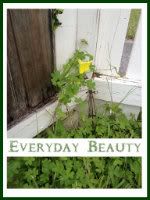
Everyday Beauty: Gum Trees and Tea Trees
These two types of tree are so essentially Australian, and on the south-east coast are found everywhere. These ones are at our local park at the end of my street.
Eucalyptus trees (gum trees) to me are like California Redwoods in the way they are so majestic and convey such stability, calm and peace. Gum trees can grow 80 feet and higher, and can live for 400 years (though more commonly far fewer).
They do have a disconcerting habit of shedding branches so are not deemed safe for backyards. Some backyards do have them and you need to get council permission to cut them down.
One in our park overhangs a bench thoughtfully placed there, and I admit I'm a little nervous sometimes sitting under this - though it is so beautiful:

I love the dappled bark on gum trees, and the way it catches and plays with the light - so awesomely beautiful in the Dandenong Ranges or the bush.


Eucalyptus trees (gum trees) to me are like California Redwoods in the way they are so majestic and convey such stability, calm and peace. Gum trees can grow 80 feet and higher, and can live for 400 years (though more commonly far fewer).
They do have a disconcerting habit of shedding branches so are not deemed safe for backyards. Some backyards do have them and you need to get council permission to cut them down.
One in our park overhangs a bench thoughtfully placed there, and I admit I'm a little nervous sometimes sitting under this - though it is so beautiful:

I love the dappled bark on gum trees, and the way it catches and plays with the light - so awesomely beautiful in the Dandenong Ranges or the bush.

 |
| Gum trees near Glenrowan, Victoria |
 |
| A Paperbark somewhere in Melbourne - courtesy of Wikipedia Creative Commons |
I love the "folds" made by the joints of branches, and the way some are reminiscent of knees or elbows


And I love looking up and seeing the branches and spare foliage against the gunmetal sky, and the native birds that flock there


Tea trees, or ti trees (melaleuca) always remind me of the Mornington Peninsula, where they are everywhere, and where we used to spend summers when I was a child visiting or staying with my grandparents. Beautiful, twisted tea trees were on every street in Blairgowrie back then, and still line the beach foreshore.
This one at our park is our girls' playhouse, and even I feel the magic when I step inside during one of their games. (It is usually a cafe, but is sometimes a house or a hairdressers' or a tent).
I love the branches and the overhanging leaves - it's the perfect playspot at the park and a thing of beauty as well.


Both eucalyptus and melaleuca trees produce useful oil. Eucalyptus oil is a handy cleanser and disinfectant as is tea tree oil, which may also have some medicinal properties. Those little concentrated bottles we buy at the supermarket are also very handy for wiping away the sticky residue of labels from glasses, plates and new books.
Beauty - and power!
 |
| 19th century Melaleuca illustration courtesy of Wikipedia Creative Commons |
What everyday beauty caught your eye this week?
Aug 15, 2012
The Olympics ended and I was sad...
The Olympics are over. Who else felt a little sad and lost on Monday?
I'm not a sports lover. At all. One of the happiest moments in my life was my last day of high school when I knew I would never again have to participate in organised sport.
But I love the Olympics. There is something so transcendent about them - something that rises not only above everyday sport but also above the kitsch and glitz of the ceremonies, the appalling economic costs and our casual, sniggering cynicism.
I skipped the Opening and Closing Ceremonies. They go on forever, they are cheesy and a little boring, and they make you uncomfortably aware of the astronomical cost involved in the whole endeavor.
I do like the opening ceremony where the athletes walk out with their flags and their varied uniforms, even with the realization that you (okay, I) can't locate half * of these countries on a map.
* most
But it's great when the opening ceremony is over and the Games get underway. I ignored the inevitable Hunger Games quips on Twitter and settled in. I was in luck too - thanks to my broken arm (healing but still sore) I'm still sleeping half-propped-up on the couch in the lounge, which gave me all-night access to the TV.
There are the usual complaints about broadcasting decisions. We only see Australian stuff in full, Channel 9 cuts and zips too often, we don't get to see all points awarded or medals bestowed. Every time I turn on the TV I seem to see basketball. How does that happen? But what can any broadcaster do? There are too many events playing simultaneously and too many competing audience preferences - you'd never please everyone.
There is the national shock at not "punching above our weight" in the medal tally. Australia, coming down abruptly from the high of Sydney-Athens-Beijing, did not win gold in the numbers expected and most of the media did not hide their disappointment. We did worse than "Team GB", worse than France, Italy or Hungary, and for a worryingly long time we did worse than New Zealand (the horror), and Kazakhstan. Thinking about this it struck me as quite likely that countries which host a Games do very well over an 8-year period leading up to and following the Games they host, as money and effort pours in and the weight of cultural support surrounds the Olympic endeavour; and in fact, this is the prevailing theory. Last Saturday the Fairfax papers published a startling feature highlighting the cost per medal of the Olympics and the limited value in hunting gold given the cyclical nature of success.
The worst moment around this for me was the TV poolside interview with James Magnussen after he won silver in the men's 100m freestyle final, trailing American Nathan Adrian by one one-hundredth of a second. The interviewer called it "the cruellest of losses", and asked Magnussen "If there's anything you could change about your preparation now in hindsight, what would it be?" He finished, if I remember correctly, with something like "but never mind, you haven't let anyone down".
Similarly shocking was Emily Seebohm crying after winning silver in the 100m backstroke, sobbing that she had "let everyone down." (Pressure, much? You didn't let down anyone, my love. You won a medal! An Olympic silver medal!)
I do get this. I get that to be an Olympic athlete you must be hungry for gold. I get that everyone wants gold and that when an athlete has their hopes (and expectations) on winning gold, then silver is a disappointment. But that disappointment should be slight, and momentary, and not in any way encouraged by the media - because any Olympic medal in any color is an amazingly awesome and rare achievement.

One of my favorite moments was one Day 1, when the Australian women's team won gold in the 400m swimming relay. The women's team spirit and gracious, friendly faces were beautiful:
There was so much that was amazing: Sally Pearson's 100m hurdles gold, Mitchell Watt's silver in the long jump, Usain Bolt in everything. "Inspiring" (hate that word, but it's valid) stories for me were 19 year old Australian Stephen Solomon's cheerful last place in the men's 400m, 16 year old "schoolgirl" Brittany Broben's silver medal for diving and 16 year old Ye Schiwen's two gold medals, in their first Olympics.
My eyes popped watching the men's long jump this year, where nearly every finalist jumped more than eight metres. EIGHT METRES. Without any kind of machine to do it. Do you have any idea how far that is? If you are not sure, try and jump ONE metre. I didn't even try - I know I can't do it.
Men's Long Jump Final Results
Men's Long Jump London Olympics 2012 - via Google
And what about Usain Bolt?
The man is a miracle. From his heats where he (seemingly) casually jogged across the finish line, to his spectacular 200m sprint gold win, he epitomised everything people love about the Olympic games.

So the Olympics are over. What now? The Paralympics of course, and then, in just two years...
I'm not a sports lover. At all. One of the happiest moments in my life was my last day of high school when I knew I would never again have to participate in organised sport.
But I love the Olympics. There is something so transcendent about them - something that rises not only above everyday sport but also above the kitsch and glitz of the ceremonies, the appalling economic costs and our casual, sniggering cynicism.
 |
| Usain Bolt photo by Alexandre Moreau via Flickr |
I skipped the Opening and Closing Ceremonies. They go on forever, they are cheesy and a little boring, and they make you uncomfortably aware of the astronomical cost involved in the whole endeavor.
I do like the opening ceremony where the athletes walk out with their flags and their varied uniforms, even with the realization that you (okay, I) can't locate half * of these countries on a map.
* most
 |
| "How I feel watching the Olympics" via 9GAG |
But it's great when the opening ceremony is over and the Games get underway. I ignored the inevitable Hunger Games quips on Twitter and settled in. I was in luck too - thanks to my broken arm (healing but still sore) I'm still sleeping half-propped-up on the couch in the lounge, which gave me all-night access to the TV.
Bad news first: the not-so-good
There are the usual complaints about broadcasting decisions. We only see Australian stuff in full, Channel 9 cuts and zips too often, we don't get to see all points awarded or medals bestowed. Every time I turn on the TV I seem to see basketball. How does that happen? But what can any broadcaster do? There are too many events playing simultaneously and too many competing audience preferences - you'd never please everyone.
There is the national shock at not "punching above our weight" in the medal tally. Australia, coming down abruptly from the high of Sydney-Athens-Beijing, did not win gold in the numbers expected and most of the media did not hide their disappointment. We did worse than "Team GB", worse than France, Italy or Hungary, and for a worryingly long time we did worse than New Zealand (the horror), and Kazakhstan. Thinking about this it struck me as quite likely that countries which host a Games do very well over an 8-year period leading up to and following the Games they host, as money and effort pours in and the weight of cultural support surrounds the Olympic endeavour; and in fact, this is the prevailing theory. Last Saturday the Fairfax papers published a startling feature highlighting the cost per medal of the Olympics and the limited value in hunting gold given the cyclical nature of success.
The worst moment around this for me was the TV poolside interview with James Magnussen after he won silver in the men's 100m freestyle final, trailing American Nathan Adrian by one one-hundredth of a second. The interviewer called it "the cruellest of losses", and asked Magnussen "If there's anything you could change about your preparation now in hindsight, what would it be?" He finished, if I remember correctly, with something like "but never mind, you haven't let anyone down".
Similarly shocking was Emily Seebohm crying after winning silver in the 100m backstroke, sobbing that she had "let everyone down." (Pressure, much? You didn't let down anyone, my love. You won a medal! An Olympic silver medal!)
I do get this. I get that to be an Olympic athlete you must be hungry for gold. I get that everyone wants gold and that when an athlete has their hopes (and expectations) on winning gold, then silver is a disappointment. But that disappointment should be slight, and momentary, and not in any way encouraged by the media - because any Olympic medal in any color is an amazingly awesome and rare achievement.

The Best: Highlights
One of my favorite moments was one Day 1, when the Australian women's team won gold in the 400m swimming relay. The women's team spirit and gracious, friendly faces were beautiful:
 |
| Alicia Coutts, Cate Campbell, Brittany Elmslie and Melanie Schlanger. Picture: Michael Dodge, Courier Mail |
There was so much that was amazing: Sally Pearson's 100m hurdles gold, Mitchell Watt's silver in the long jump, Usain Bolt in everything. "Inspiring" (hate that word, but it's valid) stories for me were 19 year old Australian Stephen Solomon's cheerful last place in the men's 400m, 16 year old "schoolgirl" Brittany Broben's silver medal for diving and 16 year old Ye Schiwen's two gold medals, in their first Olympics.
My eyes popped watching the men's long jump this year, where nearly every finalist jumped more than eight metres. EIGHT METRES. Without any kind of machine to do it. Do you have any idea how far that is? If you are not sure, try and jump ONE metre. I didn't even try - I know I can't do it.
Men's Long Jump Final Results
| Participants | Result |


Men's Long Jump London Olympics 2012 - via Google
And what about Usain Bolt?
The man is a miracle. From his heats where he (seemingly) casually jogged across the finish line, to his spectacular 200m sprint gold win, he epitomised everything people love about the Olympic games.
 |
| Men's 200m sprint final - London 2012 photo by Alexandre Moreau via Flickr |
Why the Olympics are great
The New York Times has published an interesting graphic of a men's 100 metre race between every Olympic medalist of that event ever, showing how far ahead of everyone else (this year's) Usain Bolt is. It's a startling illustration of one of the fascinations of the Games: even discounting for the drug scandals, athletes keep getting faster, stronger, better.
That's what makes the Games so compelling (and I suppose all elite sport). It's the sight of the few embodying what humanity can do. Not only are we watching the pinnacle of pure human ability, we are also witnessing the comforting proof that human ability, endurance and excellence can improve, again and again and again, seemingly (but surely not) forever.
One of my favourite comments - without cynicism - on the value and meaning of the Olympics:
So maybe, despite all our richly deserved cynicism, the Olympics do retain the spirit of accomplishment--and how it betters us.
So the Olympics are over. What now? The Paralympics of course, and then, in just two years...
...the Winter Olympics!
 |
| Image thanks to Microsoft clip art! |
How are you on the Olympics? Love, Hate or Meh?
Subscribe to:
Posts (Atom)
LinkWithin
